
Planning a Productive Orchard for Small Spaces

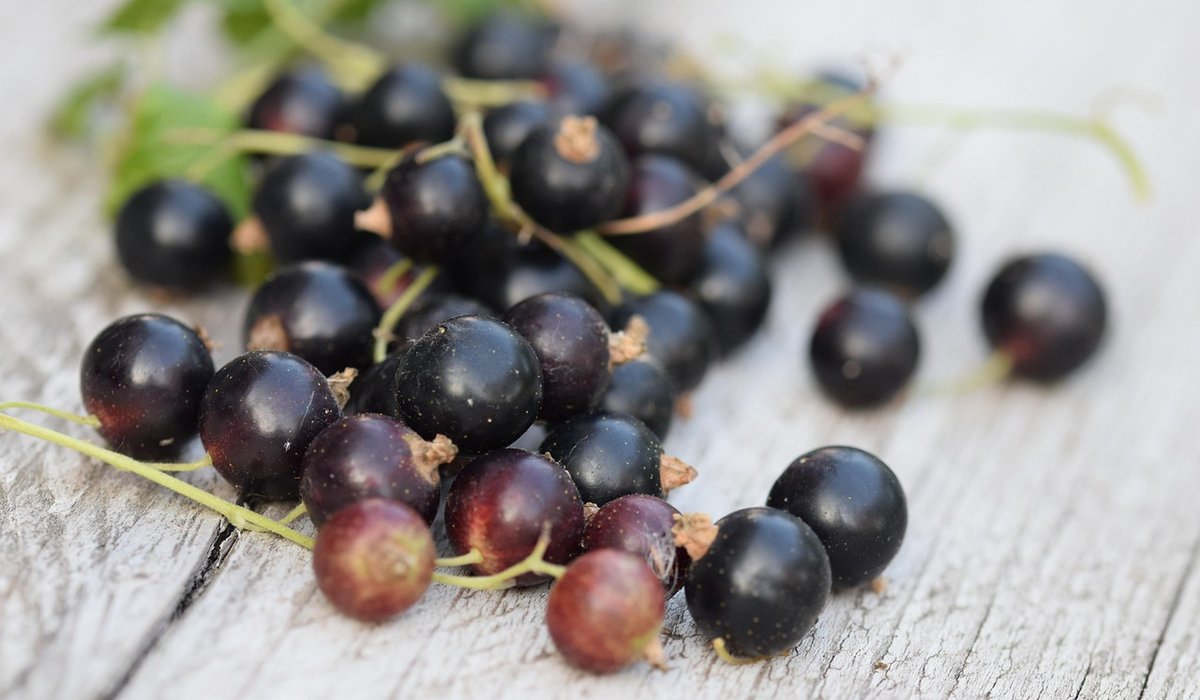
Think small, plant big on flavour
There is a stubborn myth that an orchard needs an acre. It doesn't. A plot the size of a decent vegetable bed can carry half a dozen fruit trees if you choose the right rootstock and train them with a bit of discipline. On the gritstone edges and limestone dales of the Peak District, where gardens are often sloped, exposed and sitting 250 metres above sea level, small really is beautiful — a compact tree you can net, prune and pick from the ground will out-crop a wind-battered standard every time.
The trick is to make three decisions before you order anything: rootstock, pollination and spacing. Get those right and the rest is largely mulching and patience.
Rootstocks: the engine under the tree
The rootstock controls how big the tree eventually grows, how soon it crops and how well it anchors. For small spaces, dwarfing and semi-dwarfing stocks are the answer, though they need staking for life and better soil than a vigorous tree would demand.
- M27 — the smallest apple stock, 1.5–1.8m mature. Ideal for pots, stepovers and the tiniest yard, but it crops heavily and can sulk on thin, dry ground.
- M9 — 1.8–2.5m, the classic garden choice. Good crops from three or four years, copes with cordons and espaliers. Space at 2.5–3m.
- M26 — 2.5–3.5m, more tolerant of poorer soil and windy sites, so a sensible pick on exposed hillsides. Space at 3–3.5m.
- MM106 — 3.5–4.5m, fine if you can give it room and want a tree you barely cosset.
- Pears — use Quince C for the smallest trees, Quince A where soil is heavier. Most pears are slower to settle than apples.
- Plums and damsons — ask for Pixy for a compact tree, or St Julian A for something more forgiving.
Dwarf roots mean shallow roots. A permanent stake, a clear mulched circle and a rabbit guard are not optional extras.
Pollination: the quiet reason trees fail to crop
A solitary apple or pear will flower beautifully and give you nothing, because most varieties need pollen from a different cultivar flowering at the same time. Plums are more forgiving — Victoria and most damsons will set fruit on their own — but apples and pears are fussy.
Varieties are sorted into flowering groups, usually numbered 1 to 6, with group 1 flowering earliest and 6 latest. Two trees in the same group, or in adjacent groups, will overlap sufficiently. For Peak District gardens, aim late. Mid-May frosts in the valleys and on high ground regularly scorch early blossom, so choose group 4, 5 and 6 varieties where you can.
- Apples: Egremont Russet (group 3), Ashmead's Kernel (4), Ribston Pippin (3), Lord Derby (4), Keswick Codlin (2 — early, so only in sheltered spots). Bramley's Seedling is a triploid: it gives no useful pollen and needs two different pollinators nearby.
- Pears: Conference (3, partly self-fertile), Concorde (4), Beth (3).
- Plums: Victoria (3), Czar (3), Marjorie's Seedling (5, later and useful in cold gardens).
If space allows only one tree, plant a family tree — two or three varieties grafted onto one trunk — or a self-fertile cultivar such as Sunset or Katy.
Site, soil and shelter
Fruit wants sun, drainage and moving air. Frost, however, pools in hollows and against walls, so a gently sloping site with a hedge or fence 10 metres to the windward side gives you shelter without shading. On wet, acidic gritstone ground, work in garden lime to bring the pH towards 6.5, and never plant into a waterlogged hole — a slight mound or a raised bed is far kinder to dwarf roots.
Allow generous final spacing and then some. A cordon row needs 60–75cm between trees; espaliers want 3–3.5m between rows; a bush on M26 needs 3m in every direction. Plant bare-root between November and March, soak the roots, spread them over a mound, firm properly and stake immediately. Keep a metre-wide weed-free ring around each trunk for the first three years — grass is a fierce competitor.
Training for the space you have
Small gardens reward trained forms. A fan against a south-facing wall, an espalier along a fence line, a stepover edging a path, or a trio of cordons at 45 degrees will all crop heavily in a fraction of the footprint. The discipline is summer pruning: shorten side shoots in late July and August to keep growth in check and encourage fruiting spurs. Apples and pears are pruned this way; plums and cherries are best left until midsummer to avoid silver leaf infection.
Feed lightly in spring, mulch with well-rotted manure or compost each March, and thin heavy crops in June so branches don't snap under the weight. A wasp trap and a grease band around the trunk will see off most of the trouble.
Room to grow, room to plan
Even with dwarf stocks, a tree planted a metre from a wall or a neighbour's boundary will cause you grief within five years. Sketch the plot properly: mark the mature spread of each tree, leave a mowing strip, and remember you will need to walk, ladder and wheelbarrow around it.
Plant for succession too. Early eaters such as Discovery, mid-season Sunset, and keepers such as Ashmead's Kernel can be spread across August to January so you are not drowning in fruit in a single fortnight. Add a damson or a quince at the end of the row for jam and gin, and underplant with comfrey and chives to bring in pollinators.
Start with three well-chosen trees on the right roots, plant them properly, and within four years you will be picking apples from a garden that once grew nothing but moss and optimism.

Joeby Ragpa
This template is so awesome. I didn’t expect so many features inside. E-commerce pages are very useful, you can launch your online store in few seconds. I will rate 5 stars.
ReplyAlexander Samokhin
This template is so awesome. I didn’t expect so many features inside. E-commerce pages are very useful, you can launch your online store in few seconds. I will rate 5 stars.
ReplyChris Root
This template is so awesome. I didn’t expect so many features inside. E-commerce pages are very useful, you can launch your online store in few seconds. I will rate 5 stars.
Reply