
Choosing the Right Breed of Sheep for a Small Farm

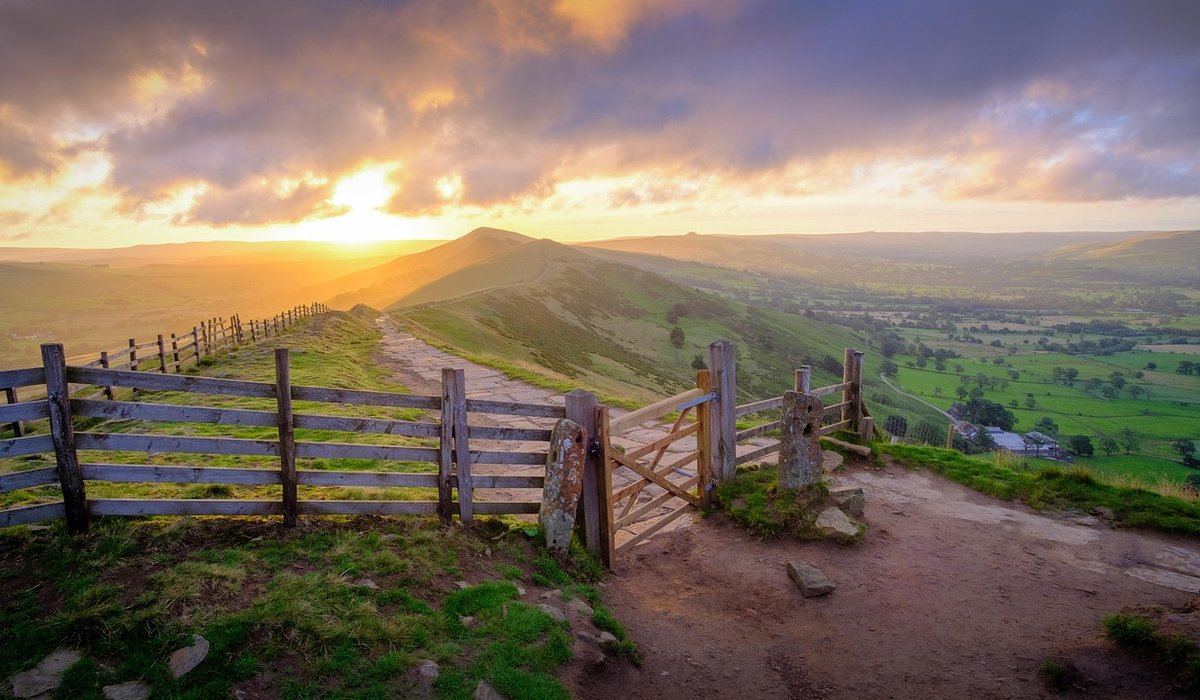
Why the Right Breed Matters on a Peak District Smallholding
Keeping sheep on a small farm in the Peak District is one of the most rewarding ways to work with the land. But the breed you choose will shape everything from your daily routine to your winter feed bill. Get it right, and you’ll have a flock that thrives on your pasture, suits your climate, and meets your goals—whether that’s filling the freezer, producing beautiful wool, or conserving a rare native breed. Get it wrong, and you’ll spend years battling footrot, poor lambing rates, and endless supplementary feeding. The good news is that the Peak District has a long history of sheep keeping, and there is a breed to suit almost every smallholding, from exposed gritstone edges to sheltered limestone dales.
Assess Your Land, Climate, and Space
Before you fall for a pretty face at a livestock market, take a hard look at what you actually have. The Peak District is not one climate; a holding at 300 metres on the Dark Peak will face driving rain, late spring snow, and poor grass growth, while a south-facing slope in the White Peak might be milder and drier. Ask yourself:
- How many acres do you have? On upland pasture, a rough rule is one ewe per acre, though native breeds can manage on less if you rotate grazing. Lowland improved grass might support three or four per acre.
- What is your soil and drainage like? Heavy clay or peat will poach badly in winter. Lighter limestone soils dry out faster.
- How much shelter is there? Stone walls, hedges, and woodland belts make a huge difference. Exposed fields demand hardier breeds.
- What forage is available? Rough grazing, herbal leys, or improved ryegrass? Some breeds waste away on coarse moorland grass; others thrive on it.
Be honest about your capacity for making hay or haylage, and whether you can store winter feed. A small flock of ten ewes can eat a lot of hay between November and April.
Match the Breed to Your Purpose: Wool, Meat, or Dual-Purpose
Different breeds were developed for different jobs, and that should guide your choice. If your main aim is wool, look at fine-woolled breeds such as Shetland or Bluefaced Leicester. Their fleeces are prized by hand-spinners and felters, but they are lighter-boned and need better shelter. If you want meat, terminal sire breeds like Suffolk or Texel crossed onto a hardy ewe produce fast-growing lambs with good carcases. But pure terminal sires are often too big and hungry for a small upland holding.
For most smallholders, a dual-purpose or native breed is the sweet spot. They give a decent fleece, a tasty lamb, and can cope with the weather without constant intervention. Think Derbyshire Gritstone, Whitefaced Woodland, or Romney. These breeds are notjust a compromise—they are often the most economical choice for a small farm because they do well on grass alone.
Hardy Native Breeds for Upland Conditions
The Peak District has its own heritage breeds, and they are worth serious consideration. The Derbyshire Gritstone is a local favourite: a large, docile sheep with a white fleece and distinctive speckled face. It is thrifty, long-lived, and an excellent mother, often lambing outside without help. The Whitefaced Woodland—sometimes called the Penistone sheep—is another Pennine native, known for its fine fleece and ability to thrive on rough grazing.
Other hardy options include the Lonk, Swaledale, and Herdwick. They are slower to mature than commercial crosses, but they cost less to keep, resist disease, and can graze land that would starve a bigger breed. Many smallholders also keep a few Shetland or Castlemilk Moorit for their coloured wool and conservation grazing. Just remember that native breeds can be flightier, so good handling facilities are essential.
Feeding, Fencing, and Daily Practicalities
Whatever breed you choose, your flock’s daily needs are similar. Adult sheep eat roughly 2–3% of their body weight in dry matter each day. On good grass, that is fine. In winter, you will need hay or haylage—around one small bale per ewe per month, more if the weather is brutal. Provide a general-purpose sheep mineral, especially in late pregnancy when ewes need extra energy and calcium.
Fencing is non-negotiable: stock netting with a top wire, plus electric strands if you have problem areas. Sheep respect electric fencing once trained, but hungry ewes will push through anything. You will also need a handling pen, a race, and a footbath for routine tasks like dagging, foot trimming, and treating lameness. In the Peak District, shelter matters as much as feed. A field shelter or a belt of trees can reduce wind chill and keep fleeces drier, which lowers the risk of pneumonia and flystrike.
Long-Term Goals and Getting Started with Your Chosen Breed
Finally, think beyond the first year. Do you want to breed your own replacements, sell lambs for meat, or simply keep a few woolly lawnmowers? If you plan to sell breeding stock, you will need purebred registered animals and a good record-keeping system. If you want meat for the freezer, a crossbred flock might be more efficient. And if you are interested in conservation grazing—managing wildflower meadows or heathland—native breeds like the Gritstone or Herdwick are ideal, and you may find local environmental schemes that support their keep.
Start small. Buy three or four ewes and a borrowed tup for your first season. Learn how they cope with your land and your routine. Talk to neighbouring farmers, join a breed society, and visit local shows. The right breed will make you a better shepherd; the wrong one will make every day a battle. In the Peak District, with its unpredictable weather and beautiful rough grazing, a hardy native or dual-purpose breed is usually the wisest, kindest, and most rewarding choice.

Joeby Ragpa
This template is so awesome. I didn’t expect so many features inside. E-commerce pages are very useful, you can launch your online store in few seconds. I will rate 5 stars.
ReplyAlexander Samokhin
This template is so awesome. I didn’t expect so many features inside. E-commerce pages are very useful, you can launch your online store in few seconds. I will rate 5 stars.
ReplyChris Root
This template is so awesome. I didn’t expect so many features inside. E-commerce pages are very useful, you can launch your online store in few seconds. I will rate 5 stars.
Reply