
A Guide to Responsible Foraging in the Countryside

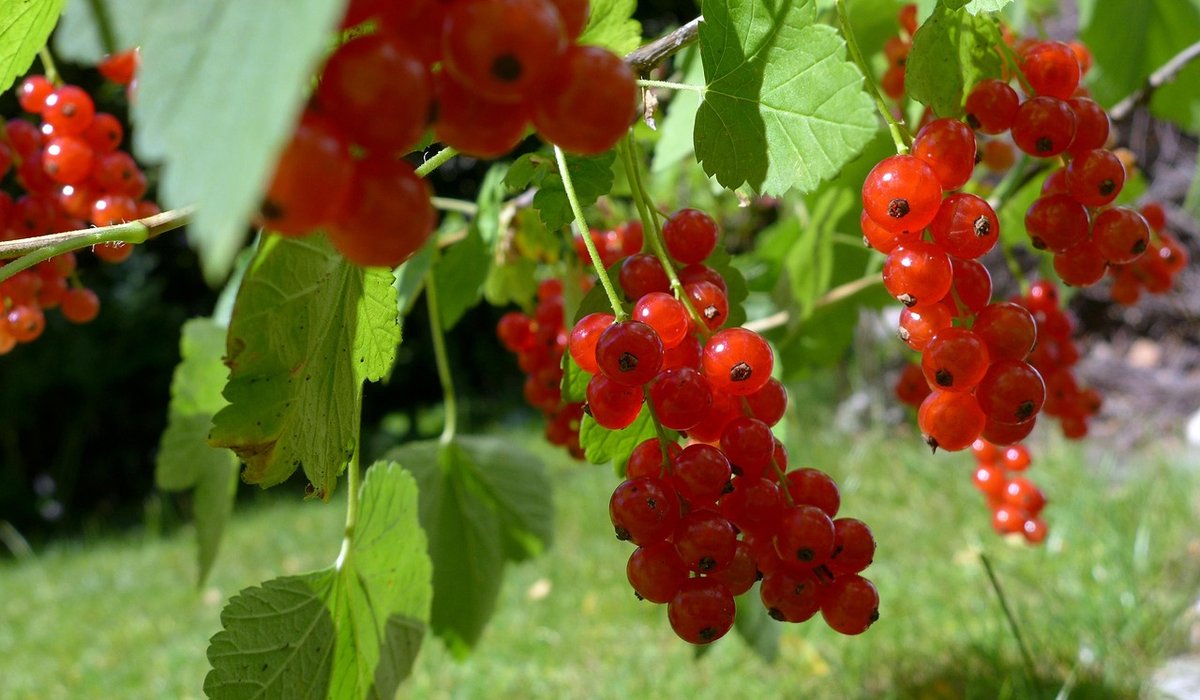
There is a particular kind of morning in the Peak District, somewhere around the middle of August, when the heather is humming with bees and the whinberry bushes are heavy with small, dusty-blue fruit. You crouch down, pick a handful, and taste something that no supermarket has ever managed to bottle. Foraging is one of the oldest country skills there is — and one of the easiest to get wrong. Done thoughtfully, it deepens your connection to a place and its seasons. Done carelessly, it can damage the very habitats we love to wander through.
Know Your Seasons: A Peak District Calendar
Foraging works best when you follow the year rather than your appetite. Learn what appears when, and you will always have something worth carrying home.
- March to May: young nettles (the top four leaves only), wild garlic in the wooded cloughs, dandelion leaves, chickweed and three-cornered leek.
- Late May to June: elderflowers at their peak, meadowsweet, and the first wild strawberries on sunny banks.
- July to August: whinberries on the gritstone moors, raspberries, and the first hazelnuts before the squirrels get there.
- September to October: elderberries, blackberries, haws, sloes, crab apples and damsons in the hedgerows.
- Late autumn: hazel, sweet chestnut and — for the confident only — a small number of safe, well-known fungi.
Timing matters as much as species. Elderflowers picked in the rain taste of nothing; sloes are best after the first proper frost, or a night in the freezer. Whinberries ripen from the bottom of the bush upwards, so the best fruit is often the fruit you have to reach for.
Identify With Absolute Certainty
The first rule of foraging is unforgiving: if you are not completely certain what a plant is, leave it alone. "Probably" is not good enough when the stakes are a stomach upset, a hospital trip or worse.
Learn a handful of species properly each year rather than skimming fifty. Use two or three sources — a good field guide, a local expert, a reputable identification key — and check the details that actually separate species: leaf shape and arrangement, stem texture, smell, and where the plant is growing. Wild garlic, for instance, has a distinctly garlicky scent when crushed, which separates it from the poisonous lily of the valley leaves it sometimes grows beside. Hemlock water dropwort, deadly nightshade, foxglove and yew all have harmless-looking relatives, and all of them can make you very ill indeed.
Fungi deserve special caution. Never eat a mushroom on the strength of a photograph or an app. Go out with someone experienced, start with a couple of unmistakable species, and take a spore print. If in doubt, enjoy it with your eyes.
Protect What Is Protected
The Peak District holds a remarkable range of wild plants, and some of them are legally protected under the Wildlife and Countryside Act 1981 and the later schedules that amend it. In practice, this means certain species must never be picked at all — including all wild orchids, round-leaved sundew on the moors, and various rare mosses, lichens and liverworts. Uprooting any wild plant without the landowner's permission is an offence, and picking for commercial gain without permission is not only rude but potentially criminal.
Sites of Special Scientific Interest, National Nature Reserves and land managed by conservation bodies often have their own bylaws. If you are unsure whether picking is allowed somewhere, assume it is not and ask.
Access, Permission and Good Manners
Access land in the Peak District gives you the right to walk, not the right to harvest. The Countryside and Rights of Way Act covers recreation on foot; it does not extend to taking fruit, fungi or foliage. In practice, that means sticking to public rights of way or footpaths for gathering, and asking the farmer or landowner before you take anything from private ground.
A few habits mark out a considerate forager:
- Ask before you pick on farmland, and never wander into fields with livestock or crops.
- Close gates, keep dogs under close control, and stay away from ground-nesting birds such as curlew and lapwing in spring.
- Take no more than a small share of any patch — a tenth is a fair guide — and never strip a bush bare.
- Cut leaves and stems rather than pulling up roots, so the plant regrows.
- Pick above dog height, and avoid verges beside busy roads, sprayed field margins and anywhere livestock have been recently.
Leave Plenty for Wildlife
Every berry you take is a meal a bird, bank vole or dormouse might have needed. Late-season fruit and nuts are especially important for overwintering creatures, and a hard winter can turn a hedgerow into a lifeline. Take a little from many places rather than everything from one, and leave the outer branches — the ones easiest to reach — for the wildlife that depends on them.
It is also worth being discreet about locations. Sharing a photograph of a rare plant, or naming a particularly productive spot online, can bring a crowd the following weekend. Share the skills instead.
From Basket to Store Cupboard
Handling your harvest well is part of the craft. Use a shallow basket or a breathable bag so fruit does not sweat, and process it the same day wherever possible. Beyond the familiar jams, a few traditional Peak District staples are worth learning: elderflower cordial in June, whinberry jam in August, sloe gin started in October and drunk the following winter, and hawthorn ketchup or damson cheese made from hedgerow fruit that would otherwise go to waste.
Wash everything thoroughly, use only fruit you would be happy to eat raw, and label anything you preserve with the date. Foraged food carries a story with it — where it grew, what the weather had been doing, who taught you the plant. That is worth far more than a free punnet of berries, and it is the reason to do it carefully.

Joeby Ragpa
This template is so awesome. I didn’t expect so many features inside. E-commerce pages are very useful, you can launch your online store in few seconds. I will rate 5 stars.
ReplyAlexander Samokhin
This template is so awesome. I didn’t expect so many features inside. E-commerce pages are very useful, you can launch your online store in few seconds. I will rate 5 stars.
ReplyChris Root
This template is so awesome. I didn’t expect so many features inside. E-commerce pages are very useful, you can launch your online store in few seconds. I will rate 5 stars.
Reply