
Keeping a Farm Journal for Seasonal Records

On a smallholding in the Peak District, the weather can turn a pleasant morning into a soaking within the hour. The ground shifts from boggy to baked, the sheep find new gaps in the wall, and the courgettes you planted out in a warm spell sulk in a cold snap. Keeping a farm journal—a simple notebook kept by the door or in the lambing shed—is one of the oldest and most useful country skills. It costs almost nothing, yet it turns guesswork into grounded knowledge.
Why a simple notebook beats memory
You might think you will remember that the swallows arrived late, that the ewes scanned poorly, or that the broad beans were a dead loss. But by the following spring, those details blur. A journal captures them in the moment. It is not about producing a polished record for anyone else. It is a working tool: a place to jot the date, the weather, what you did, and what you noticed. Over a few seasons, it becomes a reference you will reach for again and again.
In the Peak District, where microclimates vary from valley to high moor, local memory matters. A journal helps you tune into your own patch rather than relying on general advice for the whole region.
What to record day to day
Keep it quick and consistent. A few lines a day is plenty. Use a pencil so it does not run in damp conditions, or a waterproof pen. Record:
- Weather: rainfall, frost, wind direction, temperature at dawn and dusk. Note sudden shifts—a cold east wind in May can set back young plants.
- Livestock: health checks, lameness, treatments, births, deaths, weight estimates. Note behaviour changes, such as ewes off their feed.
- Planting and sowing: dates for seeds, transplanting, and first and last harvests. Include variety names.
- Harvests: yields, quality, gluts, failures. A rough weight or number of baskets is enough.
- Tasks and repairs: fencing, hedging, shearing, haymaking, machinery fixes. Note what worked and what did not.
- Wildlife and signs: first swallow, frogspawn, oak leafing, mushroom flushes. These are natural cues for seasonal work.
Do not aim for perfection. A messy journal that gets used is far better than a pristine one that stays blank.
Tracking livestock health and breeding
Animal records are where a journal truly earns its keep. For a small flock of sheep, note each ewe's lambing date, number of lambs, and any difficulties. Did she need assistance? Did she mother up well? Over three years, you will see which ewes to keep and which to cull. If you keep poultry, record egg numbers, moulting, and any signs of mites or respiratory trouble. For pigs, note growth rates and feed changes. For cattle, calving dates and milk yield if you are milking.
Health patterns emerge. You might find that lameness spikes after wet weather, or that coughing appears when the wind turns easterly. Recording treatments—and their outcomes—stops you repeating the same mistake. It also helps if you need to call a vet: precise dates and symptoms are far more useful than "she's been off for a bit".
Planting, harvesting, and the Peak District seasons
In the Peak District, the growing season is shorter and wetter than in the lowlands. A journal helps you learn your own last frost date. Note when you sow parsnips, when the first new potatoes flower, and when the apples ripen. Record crop rotations so you do not plant brassicas where they grew last year. Note which varieties shrug off blight or stand up to wind.
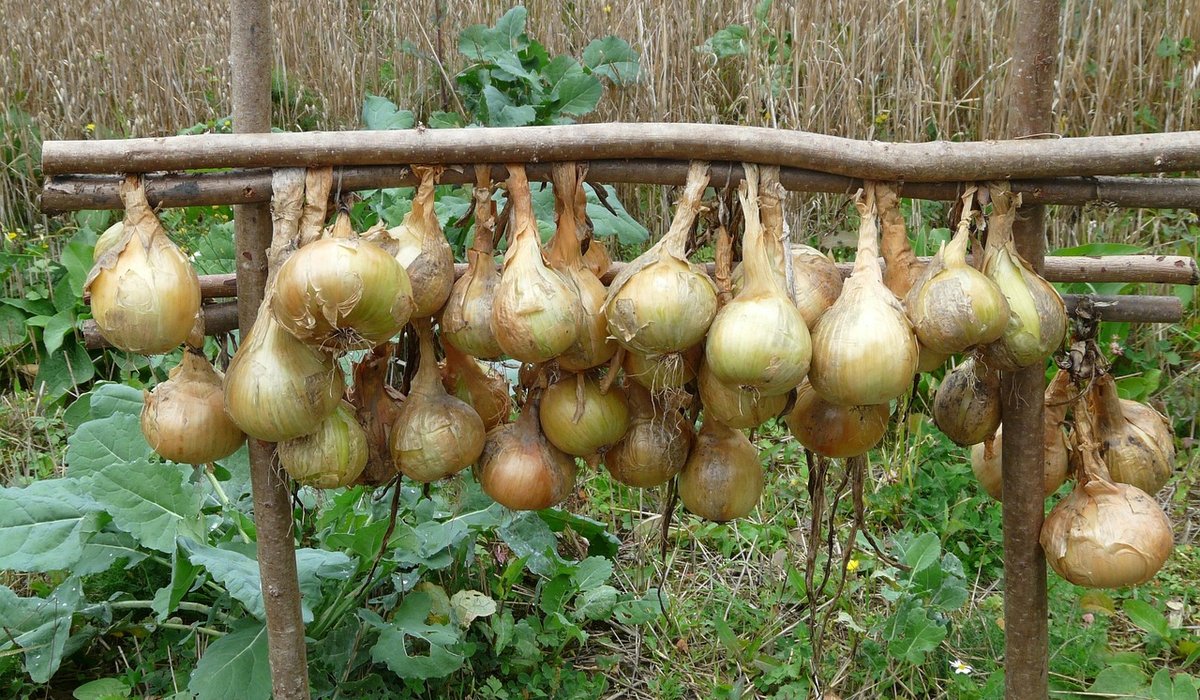
Harvest records reveal gluts and gaps. If you always have too many courgettes in August and not enough kale in February, you can adjust. Write down how you stored things—onions in nets, apples in trays, potatoes in sacks—and how long they lasted. A note that "the onions rotted by January" is a prompt to dry them better next time.
Weather, wildlife, and seasonal skills
The Peak District has its own rhythms. A journal helps you link them. Note when the curlews return, when the swifts leave, when the rowan berries colour. These signs often align with tasks: hedging before the sap rises, haymaking when a dry spell is forecast, shearing before the flies arrive. Record the weather that precedes a good hay crop or a failed one. Note how many days of snow lie on the ground, and when the first and last frosts hit your plot.
Over time, you will spot patterns. Maybe a wet May follows a mild winter. Maybe a late frost hits after the blackthorn blooms. You cannot control the weather, but you can plan around it. A journal turns a run of odd seasons into a usable picture of your local climate.
Reviewing your journal to make better decisions
Keep the journal close at hand, but also set aside time to read back. At the end of each season, spend an hour with a cup of tea and your notes. Ask: What went well? What would I change? Which ewes performed best? Which crops paid their way? What repairs kept coming back?
Use those answers to plan. If you recorded that the lambs grew slowly in a wet June, consider moving them earlier or providing extra feed. If the broad beans were riddled with blackfly, try a different sowing date or a companion plant. If the tractor broke down in the same month twice, book a service before that month arrives.
A farm journal is not a bureaucratic chore. It is a conversation with your past self and your future self. In the ever-changing countryside of the Peak District, that conversation is one of the most valuable tools you can keep.

Joeby Ragpa
This template is so awesome. I didn’t expect so many features inside. E-commerce pages are very useful, you can launch your online store in few seconds. I will rate 5 stars.
ReplyAlexander Samokhin
This template is so awesome. I didn’t expect so many features inside. E-commerce pages are very useful, you can launch your online store in few seconds. I will rate 5 stars.
ReplyChris Root
This template is so awesome. I didn’t expect so many features inside. E-commerce pages are very useful, you can launch your online store in few seconds. I will rate 5 stars.
Reply